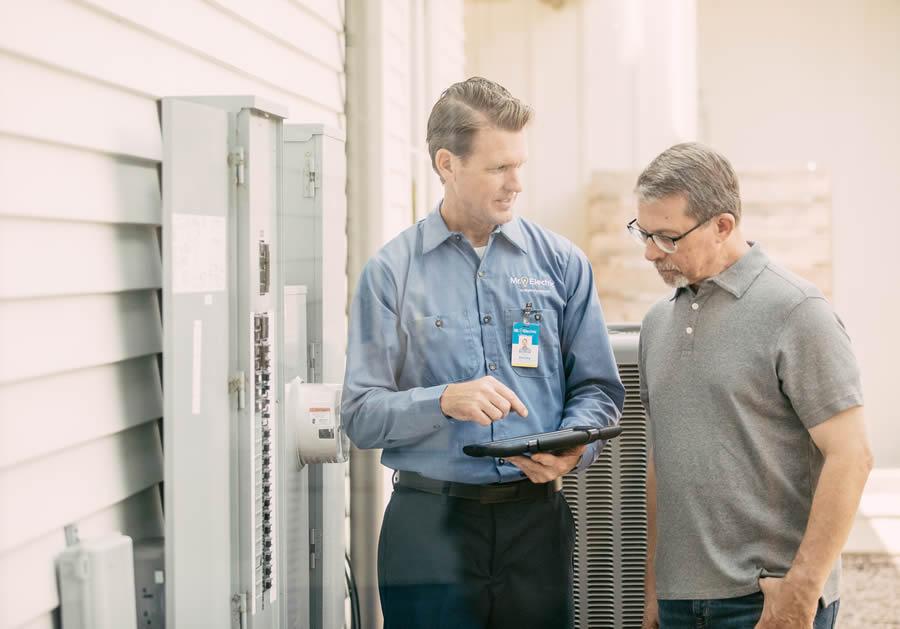
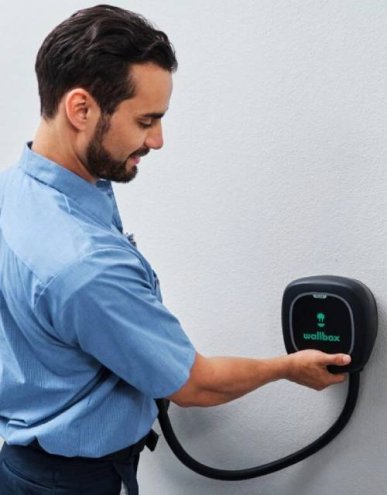
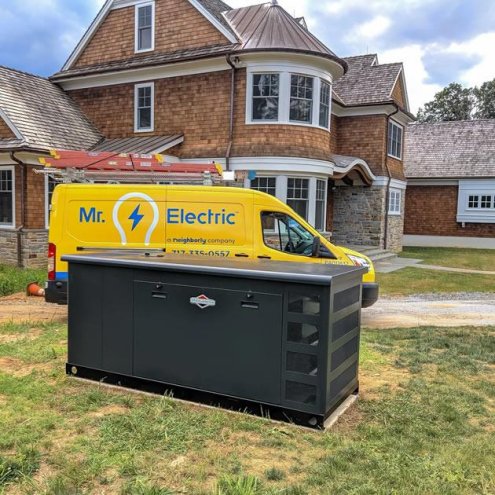
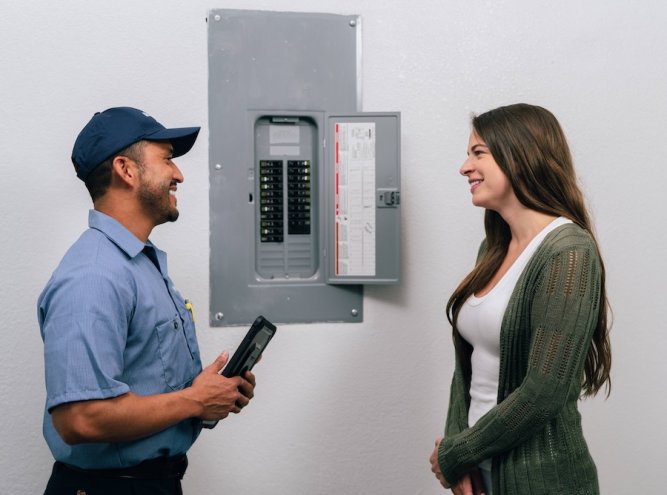
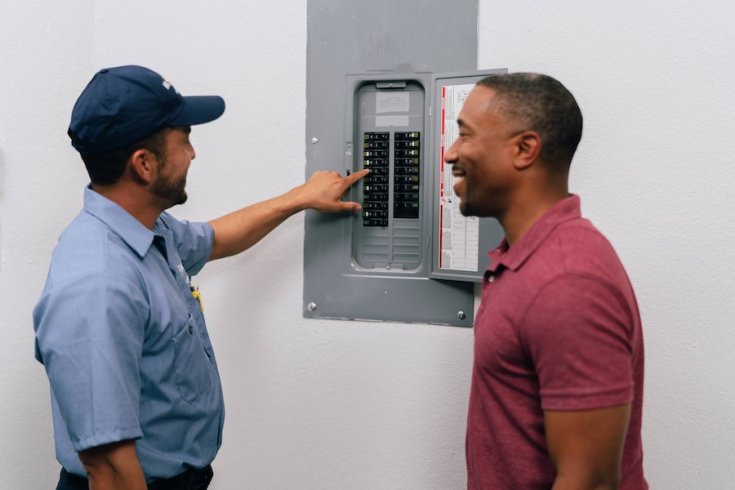
If you open up your electrical panel, you'll see rows of switches that most homeowners never think about until one of them trips. Circuit breakers protect every part of your home's electrical system, but how many you need depends on non-obvious factors like square footage, the age of your home, what appliances you're running, and whether your current setup meets modern electrical codes. Mr. Electric answers this question regularly for homeowners who are renovating, adding new appliances, or noticing their breakers trip more often than they should. Getting the number wrong can cause nuisance tripping at best or safety hazards at worst. Below, we'll discuss how breaker requirements are determined, what dedicated circuits are needed for specific appliances, signs your panel might be maxed out, and when it's time for an upgrade.
What Circuit Breakers Actually Do in Your Home
Every circuit breaker serves as an automatic shutoff switch to prevent wires from overheating. When current flowing through a circuit exceeds the breaker's rated amperage, the breaker trips and cuts power before the wiring can be damaged. This protects against overloads and short circuits. An overload occurs when too many devices draw power from a single circuit at once, and a short circuit happens when hot and neutral wires contact each other. Either situation generates heat that can melt wire insulation and ignite surrounding materials. Standard breakers in residential panels range from 15 to 20 amps for general lighting and outlets, while larger 30, 40, or 50 amp breakers supply major appliances like dryers and ranges. The National Electrical Code requires arc fault circuit interrupters in bedrooms, living areas, and other habitable spaces because these specialized breakers detect dangerous electrical arcs that standard breakers miss. Ground fault circuit interrupters protect bathrooms, kitchens, garages, and outdoor areas where water exposure increases shock risk. Understanding what each breaker controls helps you troubleshoot tripped circuits and recognize when your panel needs a professional electrical service to fix recurring issues.
How Electrical Load Determines the Number You Need
Your home's total electrical load dictates how many circuits you need and what size panel can support them. Electricians in Denver Tech Center, CO calculate load by adding up the wattage of all fixtures, outlets, and appliances, then converting that figure to amperage. A typical 2,000 square foot home built after 2000 might require 20 to 30 individual circuits to distribute power safely across every room and major appliance. Older homes built in the 1960s or 1970s may have only 10 to 15 circuits because builders designed those systems for fewer electrical demands. A 200-amp panel can deliver up to 48,000 watts at 240 volts, though usage stays well below that maximum to prevent overloading. General-purpose circuits for outlets and lights typically run on 15-amp breakers with 14-gauge wire, while kitchen countertop outlets and laundry rooms require 20-amp circuits with 12-gauge wire. Square footage matters, but the real driver is what you plug in. A 1,500 square foot home with an electric vehicle charger, heat pump, and home server rack needs more circuits than a 3,000 square foot home using gas appliances and minimal electronics. Circuit breaker installation costs vary based on panel capacity and the number of new circuits required, so accurate load calculations prevent underspending and overspending on your system.
Which Appliances Require Their Own Breaker
The National Electrical Code mandates dedicated circuits for appliances that draw a lot of power or present safety concerns when sharing circuits with other devices. Your refrigerator should have its own dedicated circuit because compressor startup draws a surge that can trip breakers when sharing with other appliances. Electric ranges and ovens require 40 or 50-amp 240-volt circuits with appropriately sized wiring. Clothes dryers, whether electric or gas, need dedicated circuits because electric models use 30-amp 240-volt power while gas dryers still require a 20-amp circuit for the motor and controls. Dishwashers and garbage disposals typically get their own 20-amp circuits, though older installations may have combined them on a single circuit with a split receptacle. Microwaves rated over 1,000 watts should run on dedicated 20-amp circuits to avoid tripping breakers during use. Bathroom exhaust fans with built-in heaters, whirlpool tubs, and central vacuum systems also qualify for dedicated circuits. Your HVAC system likely uses one or two dedicated 240-volt circuits, depending on whether you have a heat pump, air conditioner, or electric furnace. Electricians recommend dedicated circuits for any appliance that runs continuously or cycles on and off automatically. Sharing circuits between devices causes nuisance tripping and accelerates wear on breakers and wiring connections. A professional electrical service can identify which dedicated circuits your home currently has and which ones need to be added to meet code.
Signs Your Current Panel Is Running Out of Capacity
Several warning signs indicate your electrical panel can no longer handle your home's demands. Breakers that trip repeatedly on the same circuit point to either an overloaded circuit or a failing breaker that needs replacement. Warm or hot breakers signal internal resistance that generates heat and degrades the breaker's components. A burning smell near the panel requires immediate attention because it indicates arcing or melting insulation inside the enclosure. Lights that dim when large appliances cycle on reveal voltage drop from circuits sharing loads they weren't designed to carry. Scorch marks, rust, or corrosion visible on the panel face or around individual breakers indicate moisture intrusion or previous overheating. Panels manufactured by Federal Pacific, Zinsco, or Pushmatic have documented safety defects and warrant replacement regardless of current symptoms. Running extension cords as permanent solutions suggests you don't have enough outlets or circuits where you need them. Doubling up circuits by connecting multiple wires to a single breaker terminal, called double-tapping, violates code and creates fire hazards. If your panel has no available slots for new breakers and you need additional circuits, electrical repair, or panel replacement becomes necessary. Ignoring these signs risks electrical fires, equipment damage, and voided homeowner's insurance coverage.
Do You Need Electrical Upgrades?
The right number of circuit breakers depends on your home's size, age, appliance load, and how you use electricity day to day. Modern homes with electric vehicles, home offices, and smart technology require more circuits than panels installed 30 or 40 years ago can provide. Recognizing the warning signs of an overloaded panel helps you act before tripped breakers become fire hazards. Whether you need electrical repair for an existing panel or complete circuit breaker installation to support a renovation, the work requires licensed professionals who understand current code requirements. Contact Mr. Electric today to schedule a panel inspection or discuss your circuit needs with our team.