A generator sitting in your yard untouched for months at a time might start up fine during a test run, but that doesn't mean it's ready to carry your home through a multi-day power outage. Generators need consistent attention just like any other piece of mechanical equipment, and the time to find out something is wrong is not in the middle of a storm. Mr. Electric provides electrical service for generator owners who want their backup power to be there when it counts. The maintenance schedule looks different depending on what type of generator you have, how often it runs, and the conditions it's exposed to. This guide lays out a clear servicing timeline and walks you through what each round of maintenance should cover.
Manufacturer Recommendations vs. Real-World Servicing Needs
Most manufacturers tell you to service a standby generator once a year or after a certain number of operating hours, whichever comes first. Portable units get similar guidance, though the hour count tends to be lower. Those baseline recommendations work for ideal conditions, but real-world factors change the equation fast.
A generator that runs weekly self-tests in a humid coastal climate needs more attention than one sitting in a dry garage in Arizona. The manufacturer's manual gives you a starting point, not a final answer. Electricians who work with backup power systems regularly will tell you that sticking to the minimum schedule leaves gaps. Fuel degrades, seals dry out, and corrosion starts long before the calendar tells you it's time for service.
The better approach pairs manufacturer guidelines with an assessment of your actual conditions. If your generator lives outside under a cover in an area with temperature swings, plan on twice-yearly checks instead of annual ones. If it only runs during tests and never sees a real load, you're missing half the picture. The manual won't account for every variable your equipment faces.
The Difference Between Standby and Portable Generator Maintenance
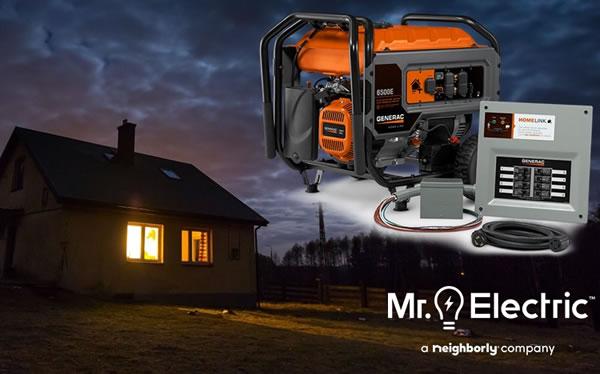
Standby generators run on propane or natural gas and sit permanently wired into your home's electrical system. They kick on automatically when the power drops and shut down when it returns. Because they're always ready to go, they cycle through weekly self-tests that burn fuel and circulate oil. The regular activity keeps things moving, but it also means consumables wear down even when you're not using the unit for an actual outage.
Portable generators run on gasoline and get wheeled out only when needed. They don't self-test, so they can sit for months without turning over. That lack of activity creates different problems. Fuel goes stale in the carburetor, and internal components can seize if the unit stays dormant too long. When you finally need it, you're gambling on whether it'll start.
Service intervals reflect these differences. A standby unit typically needs a full checkup once a year, with oil and filter changes happening at the same time. Portable units should get serviced before storm season if they've been sitting idle, and again after extended use. If you ran a portable generator for days during an outage, it needs attention before you store it again. Ignoring that post-use service shortens its lifespan and increases the chance it fails next time.
What a Standard Generator Service Appointment Should Cover
A proper service visit starts with a visual inspection of the entire unit. Technicians check for loose wiring, corroded connections, cracked hoses, and any signs of rodent damage or water intrusion. They look at the battery terminals and test the charge. A weak battery is one of the most common reasons a standby generator won't start when the power goes out.
Next comes the consumables. Oil gets drained and replaced, along with the oil filter. The air filter gets swapped out if it's dirty or clogged. Spark plugs are inspected and replaced if they show wear. Fuel filters get changed on schedule, and the fuel system is checked for leaks or blockages. If the generator runs on gasoline, the technician may drain old fuel and add a stabilizer to protect the system during storage.
The final step is a load test. The generator runs under actual operating conditions, not just an idle test. This simulates what happens during a real outage and reveals problems that don't show up during a no-load run. Voltage output, frequency stability, and transfer switch operation all get checked. Without this step, you're only testing whether the engine starts, not whether it can actually power your home.
Consumables That Need Attention
Oil breaks down eventually, even if the generator isn't running much. Heat, moisture, and combustion byproducts all degrade it. Standby generators that cycle through weekly tests accumulate operating hours fast, and each test adds contamination to the oil. Once oil loses its protective properties, internal components start wearing down. Changing it on schedule prevents damage.
Air filters trap dust, pollen, and debris before they reach the engine. A clogged filter restricts airflow and forces the engine to work harder, which reduces efficiency and increases the risk of overheating. In areas with high dust or pollen levels, filters need replacement more than once a year. A quick visual check during each test run tells you whether it's time for a swap.
Fuel is the biggest variable. Gasoline degrades in as little as 30 days without a stabilizer, which leaves varnish and deposits that clog carburetors and fuel lines. Propane and natural gas don't degrade the same way, but their delivery systems still need inspection. Fuel filters catch contaminants before they reach the engine, and a dirty filter can starve the generator of fuel. Replacing filters and treating gasoline with stabilizer keeps the fuel system clean and functional.
What Happens to a Generator That Sits for Years Without Service
A neglected generator stops working altogether. Oil sludge builds up inside the engine, restricts lubrication and causes parts to grind against each other. Seals and gaskets dry out and crack, which leads to leaks. Fuel systems clog with varnish and debris, then block flow to the engine. Batteries lose their charge and sulfate, and makes them incapable of starting the unit.
Corrosion takes hold of electrical connections, transfer switches, and control boards. Moisture gets into the enclosure and damages sensitive components. Rodents chew through wiring and build nests in air intakes. By the time you discover these problems, the repair bill exceeds what routine maintenance would have cost over the same period.
The worst part is that these failures happen when you need the generator most. A storm knocks out power, the transfer switch tries to engage, and nothing happens. At that point, emergency electrical repair calls are expensive and slow. Technicians are swamped during outages, and parts take longer to arrive. A generator that could have kept your home running for days becomes a useless piece of equipment sitting in your yard. Regular servicing prevents all of that and gives you confidence that your backup power will deliver when the grid goes down.
Do You Need a Generator Installation or Repair Service?
If your generator hasn't been serviced in over a year or you're not sure what condition it's in, schedule an inspection before the next storm season. Electricians trained in generator installation and maintenance can assess what your unit needs and get it back to full readiness. Don't wait until the power goes out to find out your backup plan doesn't work. Contact Mr. Electric today to schedule a generator service or electrical repair appointment and protect your home against the next outage. We keep your backup power systems running so you're never left in the dark.