A single power surge can fry your television, destroy your computer, and knock out your refrigerator all in a fraction of a second. Most homeowners know they need some kind of protection, but the options at the hardware store can be confusing, and not all surge protection devices are created equal. At Mr. Electric, we've seen too many families learn this lesson the hard way after a storm or utility fluctuation wiped out thousands of dollars' worth of electronics that they thought were protected. The truth is that cheap power strips and improper installation lead to a false sense of security that won't help you when it counts. Keep reading to learn the most common mistakes we see homeowners make, what really works to defend your home, and how to tell if your current setup is leaving you vulnerable.
Assuming All Power Strips Offer Meaningful Surge Protection
Walk into any big box store, and you'll find dozens of power strips lined up on the shelves. Most of them are under twenty dollars, and all of them promise to protect your valuable electronics. Here's what the packaging won't tell you. A basic power strip and a surge protector are two completely different products. A standard power strip simply gives you more outlets to work with and is nothing more than an extension of your wall receptacle with zero protection against voltage spikes. True surge protectors contain metal oxide varistors or gas discharge arrestors that divert excess voltage away from your devices, but budget models may only include the bare minimum components required to legally carry the surge protector label. Some homeowners have every major appliance and entertainment system plugged into cheap power strips they purchased years ago, and genuinely believe that everything is safe. When you flip over the packaging and see phrases like "basic protection" or suspiciously low joule ratings, that's your sign to keep looking.
Ignoring the Joule Rating and What It Actually Means
The joule rating on a surge protector tells you how much energy the device can absorb before it fails, and most people either ignore this number or don't understand what it represents. A protector rated at 400 joules can only handle a fraction of what a 2000 joule unit can manage, and once that capacity is used up, your protection is gone. Many homeowners grab whatever's on sale without realizing that a small surge today might deplete half their unit's capacity, and leave them exposed when a bigger event hits next month. For computers, televisions, and other sensitive electronics, you want at least 2000 joules of protection, and for home office setups or expensive equipment, going higher makes more sense. The tricky part is that surge protectors don't come with fuel gauges showing how much capacity remains after absorbing hits. Some higher-end models include indicator lights that tell you when protection has degraded, but plenty of units just keep providing power without any warning that the surge protection components burned out long ago.
Forgetting to Protect Your Entire Electrical Panel
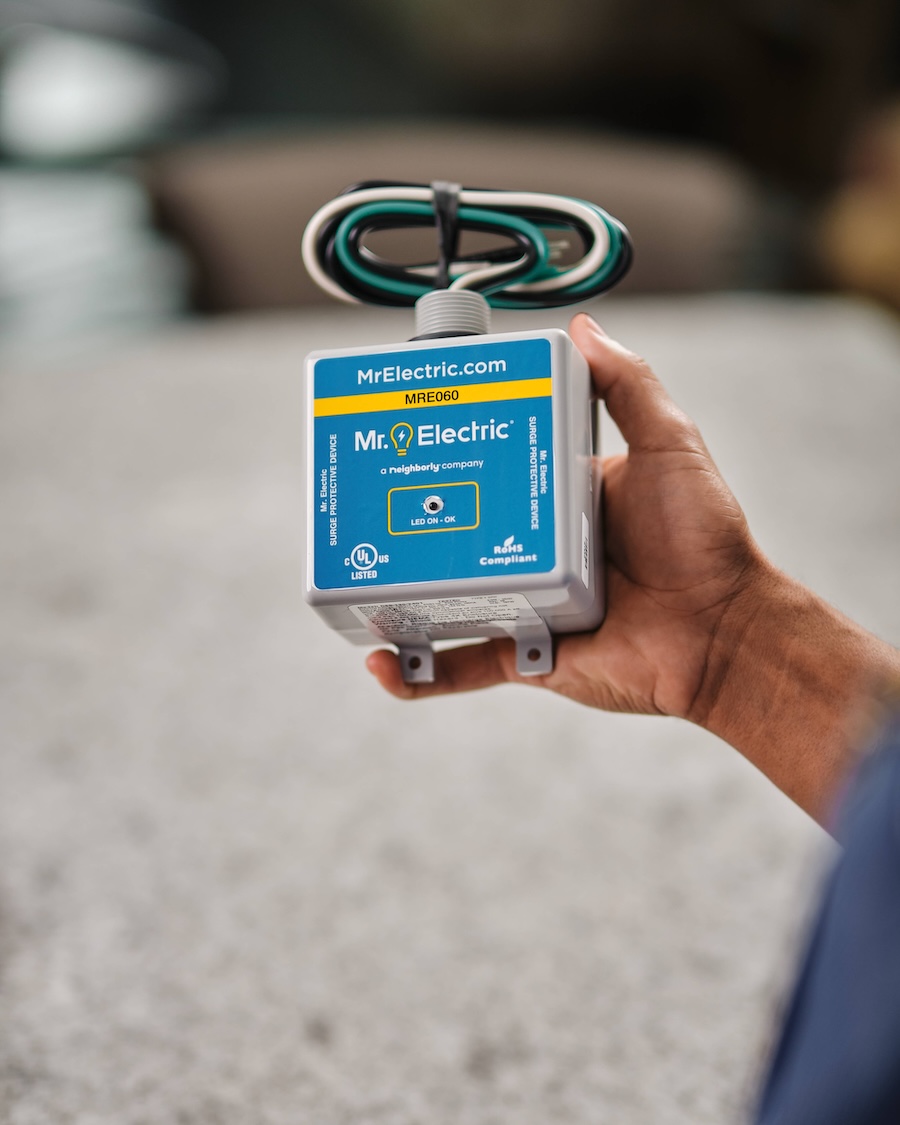
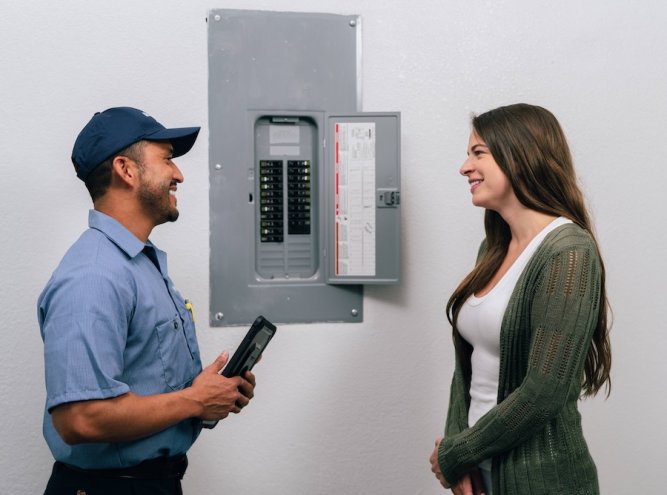
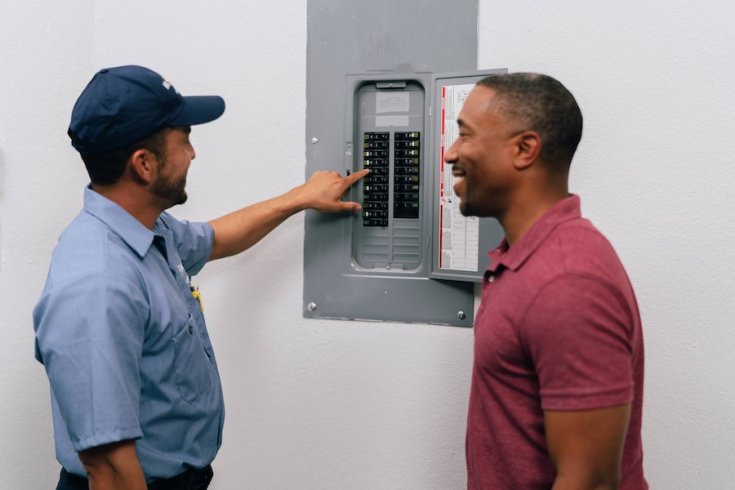
Point-of-use surge protectors at individual outlets provide your last line of defense, but they were never designed to handle everything on their own. The most effective approach to protecting your home is installing a whole-house surge protector directly at your electrical panel. It catches dangerous voltage spikes before they ever reach your interior wiring or connected devices. These panel-mounted units can handle massive surges from lightning strikes and utility grid problems that would overwhelm any power strip, no matter how expensive. Professional surge protection installation in Bow Mar at the panel level creates a layered defense system where the big threats get neutralized at the source, and smaller fluctuations get caught by your individual protectors. Many homeowners don't even know this option exists because hardware stores focus on selling the plug-in products that generate repeat purchases. When electricians evaluate a home's protection needs, they almost always recommend starting at the panel because that single installation shields every circuit in the house simultaneously. Your HVAC system, water heater, and all hardwired appliances finally get the protection they deserve. The cost of panel-level installation pays for itself the first time it prevents damage to a central air conditioning unit or a kitchen full of appliances.
Never Replacing Units After They've Absorbed a Major Surge
Surge protectors are sacrificial devices by design. They take damage, so your electronics don't have to. After absorbing a serious surge, the internal components that redirect excess voltage become partially or completely depleted, yet most homeowners keep using these units for years without a second thought. The power strip under your desk might still turn on your monitor and charge your phone, but its protective capabilities could have vanished during a thunderstorm three summers ago. The best practice involves replacing surge protectors after any known major electrical event in your area, whether that's a lightning strike nearby, a transformer explosion, or a confirmed utility surge. Even without a dramatic event, electrical repair professionals recommend swapping out your surge protectors every three to five years because small daily fluctuations wear down the protective components. Check your units for indicator lights that show protection status, and if those lights have gone dark or changed color, replacement is overdue. Treating surge protectors as permanent fixtures rather than consumable safety equipment ranks among the most expensive mistakes homeowners make. A twenty-dollar replacement every few years costs a lot less than a single destroyed computer, and scheduling regular electrical service appointments gives you the perfect opportunity to have a professional assess whether your current protection still works as intended.
Do You Need an Electrical Repair or Upgrade?
Now that you understand what separates real protection from false security, take a minute to think about what's currently guarding your electronics and appliances. Mr. Electric's experienced electricians can inspect your setup and handle surge protection installation at the panel level and throughout your home. We've helped many local homeowners build layered defense systems that actually work when storms roll through or the power grid acts up. Call today to schedule an electrical service and get your home properly protected.