Cutting corners on commercial electrical work might be tempting for some, but it leads to code violations, failed inspections, liability exposure, and safety hazards. Mr. Electric has seen what happens when businesses try to save a few dollars on the front end by skipping a licensed electrical contractor, and the cost of fixing it is never worth what they saved. Keep reading, and we'll lay out exactly why licensing matters, what it protects you from, and what to look for when you're vetting someone for the job.
What an Electrical Contractor License Certifies
A license certifies that an electrical contractor has met the minimum hours of documented field experience, passed written exams on the National Electrical Code, and demonstrated knowledge of local requirements. In most states, that means thousands of hours working under a master electrician before a contractor can pull permits independently.
Licensing also requires contractors to stay current. Most states mandate continuing education tied to NEC code cycles, which update every three years. That means an electrician is working from current code knowledge, and not assumptions built on how things were done a decade ago.
The license confirms that the contractor understands how to pull permits, schedule inspections, and document work so it passes local authority review. For your business, that documentation becomes part of your building's permanent record.
The Legal and Liability Risks of Hiring Unlicensed Electrical Workers
If an unlicensed worker installs wiring in your commercial space and a fire breaks out six months later, the liability lands on you. Investigators can trace the ignition source to faulty installation, your insurance carrier can deny the claim, and your business can face regulatory fines for allowing unpermitted work.
Businesses that knowingly hire unlicensed electricians can also face penalties from OSHA, which governs electrical safety in workplaces. Violations carry per-incident fines that compound quickly when inspectors flag multiple issues. Hiring a licensed electrical contractor eliminates exposure from the start.
There's also the contract side. Unlicensed workers can't legally pull permits in most areas, which means the work either skips inspection completely or gets filed under someone else's license without that person on-site. Either scenario creates very serious legal liability that attaches to your property.
Why Insurance Companies Care Who Did Your Electrical Work
Commercial property insurance policies include language requiring that covered work meet local code and be performed by qualified contractors. When a loss occurs, adjusters investigate how the affected systems were installed and maintained. If that investigation turns up unpermitted electrical work or work performed by someone without a valid license, carriers use that finding to reduce or deny the payout.
Adjusters actively check when commercial electrical repair claims involve fire, water damage from a tripped system, or equipment loss tied to a power event. Business owners who've skipped the licensed route learn this the hard way after a loss, not before.
Working with licensed electricians protects your claims from the start. A licensed contractor provides documentation at every stage, including the permit, the inspection record, and the certificate of completion. When you file a claim, the paper trail confirms the work was done correctly and keeps your coverage intact.
How to Verify a Contractor's License Before You Sign Anything
Most states maintain a public online database where you can look up a contractor's license number, check its current status, and see if any disciplinary actions have been filed. The search takes about two minutes and should happen before you request a quote, not after. When you contact a contractor for commercial electrical service, ask for:
- Their state license number and license classification
- Proof of general liability insurance as well as workers' compensation coverage
- A list of local jurisdictions where they've pulled permits in the last 12 months
A contractor who hesitates on any of those three points is giving you useful information. Licensed electricians who work commercially keep their documentation current and accessible because permit-pulling and insurance verification are part of almost every job they take.
Check the license number against your state's database directly rather than relying on a copy the contractor provides. Verify that the license covers commercial work in your area, since some licenses are residential-only or limited to specific scopes of work.
What to Expect When You Hire a Licensed Commercial Electrician
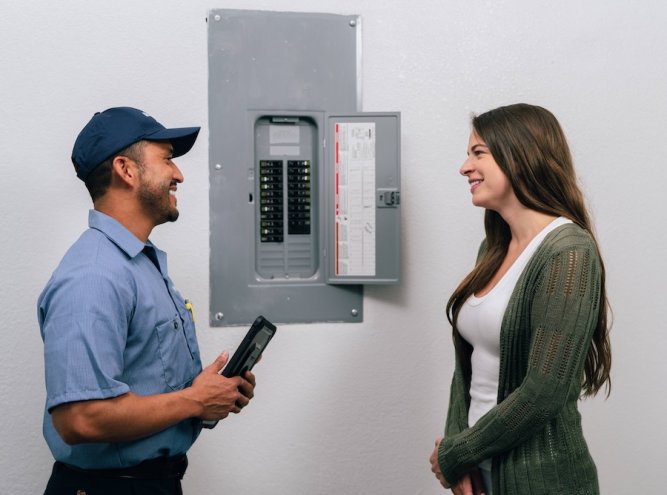
The process starts with a site assessment. A licensed commercial electrician will walk your space, review your existing panel and load capacity, identify any code deficiencies in the current installation, and give you a written scope of work tied to specific line items.
Once the permit is approved, the work proceeds in inspectable stages. Rough-in work gets inspected before walls close, and final connections get inspected before the system goes live. Each inspection creates a record that attaches to your building's permit history, which matters when you sell, refinance, lease, or need to demonstrate code compliance to a tenant or lender.
Expect clear communication throughout. Licensed electricians document changes to the scope in writing, provide material specs on request, and coordinate with your local authority having jurisdiction directly. You won't be the go-between on inspection scheduling or code questions because the contractor handles it.
Does Your Business Need an Electrical Repair, Upgrade or Inspection?
Unlicensed electrical work creates serious problems. Choosing a licensed electrical contractor upfront eliminates risks and produces documented work that holds up to scrutiny from insurers, inspectors, and buyers. Mr. Electric provides licensed commercial electrical service. Contact us to schedule a site assessment and get a written estimate from a team that knows commercial code and carries the credentials to prove it.