Buying an electric vehicle is the easy part. Figuring out the best way to keep it charged is where most new EV owners start asking questions. Mr. Electric helps homeowners think through that decision every day, and the answer isn't the same for everyone. Read more to get a clear breakdown of what home charging and public charging each bring to the table so you can figure out what makes the most sense for you.
How Home EV Chargers Work and What Installation Involves
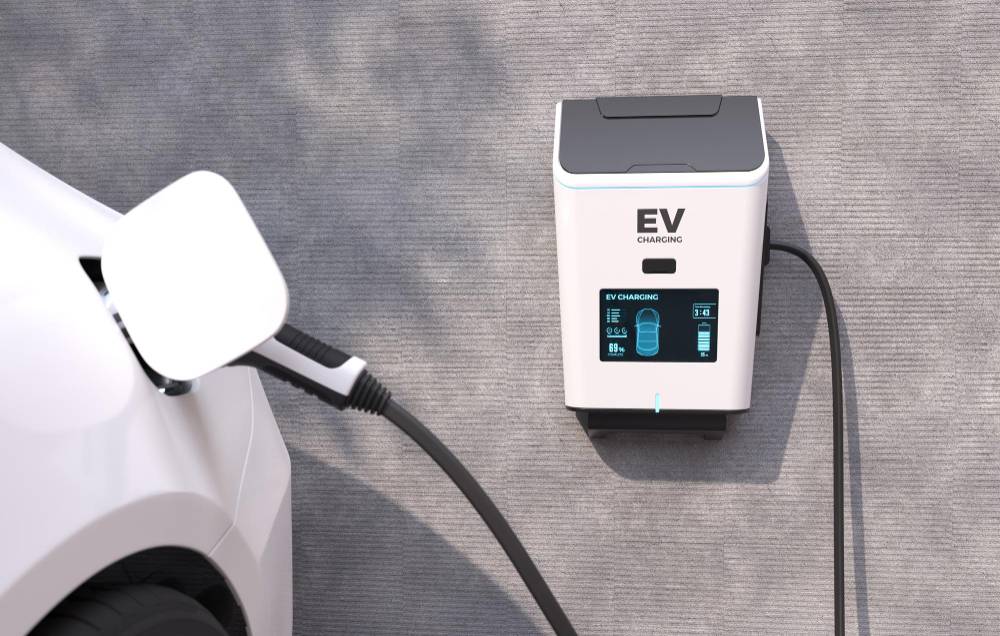
A home EV charger plugs into your vehicle the same way a phone charger plugs into your phone, but the infrastructure behind it is a lot more involved. Most homeowners start with a Level 2 charger, which runs on a 240-volt circuit and delivers anywhere from 20 to 30 miles of range per hour of charging. That's a serious upgrade from a standard 120-volt outlet, which adds only 3 to 5 miles per hour.
Electric vehicle charger installation requires a licensed electrician to assess your panel, run new wiring, and install a dedicated circuit. The charger unit mounts on a wall in your garage or on the exterior of your home. The whole process takes a few hours when the panel can support the new load without upgrades.
If your panel is older or already running near capacity, the electrician may recommend a new panel before installation. That adds cost upfront, but it also protects your home's electrical system, avoids the need for an electrical repair, and prevents tripping breakers during charging.
The Real Cost of Home Charging Compared to Public Charging
Charging at home costs a lot less per kilowatt-hour than using a public network. Residential electricity rates in the U.S. average around 13 to 16 cents per kWh, while public fast chargers from networks like Electrify America or EVgo charge 40 to 50 cents per kWh or more. Over a year of regular driving, that adds up.
Home charging also gives you control. You can schedule charging during off-peak hours when utility rates drop, which cuts costs even more. Some utility providers offer EV-specific rate plans that reduce overnight charging costs. Public stations don't give you that flexibility.
The upfront cost of electric vehicle charger installation runs between $500 and $2,000, depending on your home's electrical setup. Most homeowners recover that cost within a year or two, compared to what they'd spend relying on public charging. Federal tax credits have also covered a portion of installation costs in recent years, so it's worth checking current incentives before you decide.
The Limitations of Public Charging That Don't Get Talked About
Public charging networks have expanded fast, but reliability is still inconsistent. Studies from organizations like J.D. Power have found that a large percentage of public charging sessions fail due to equipment errors, payment issues, or network outages. Showing up to a broken charger when your battery is low is a serious problem.
Wait times at popular stations, especially DC fast chargers, can stretch 30 minutes or more during peak hours. Fast chargers also degrade battery health faster than Level 2 charging when used as a primary source. Manufacturers like Tesla and GM recommend limiting DC fast charging to situations where you desperately need a quick top-up on the road.
Public charging works well as a supplement. It covers road trips, longer commutes, and situations where home charging isn't an option. But depending on it as your primary source means building your schedule around charger availability, and that gets old quickly.
How Home Charging Affects Your Electrical Panel
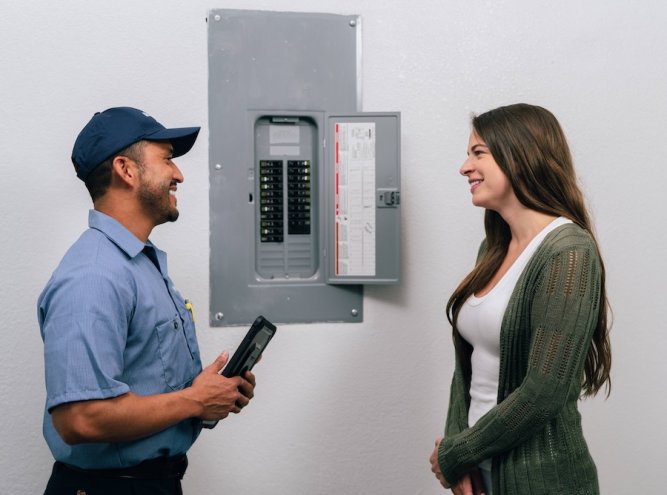
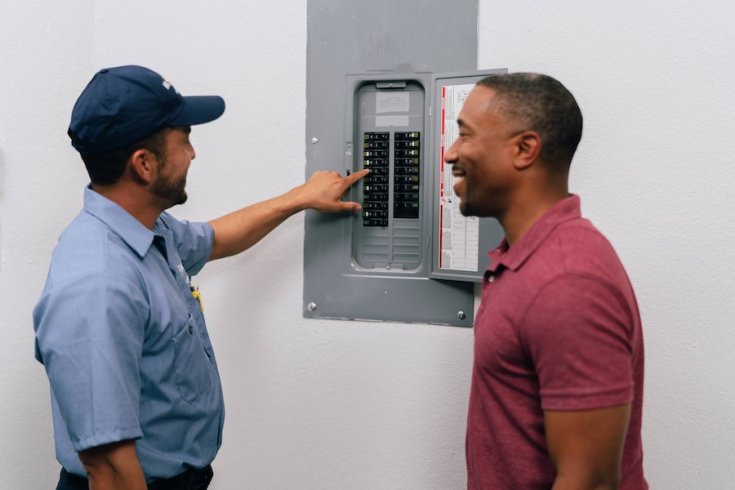
A Level 2 EV charger draws between 30 and 50 amps, depending on the unit. That's a substantial load, and your panel needs to handle it without compromising the rest of your home's circuits. Electricians evaluate panel capacity as the first step in any electric vehicle charger installation, and that assessment determines whether you're ready to go or need additional electrical service work first.
Homes built before the 1990s may have 100-amp panels, which can support a charger but leave little room for other high-draw appliances running simultaneously. A 200-amp panel handles the load more comfortably. If an upgrade is on the table, it also positions your home for other electrical improvements down the road, including solar integration or additional circuits.
Scheduling an electrical service in Centennial evaluation before you purchase a charger unit is the practical move. Electricians can tell you exactly what your panel supports, what upgrades cost, and whether your current wiring meets code requirements for the installation.
Which Charging Setup Makes the Most Sense Based on Your Driving Habits
Your daily mileage is an important factor in this decision. If you drive 30 to 50 miles a day and park at home overnight, a Level 2 home charger keeps your battery topped up without any extra stops. You leave every morning with a full charge, and the cost per mile stays low.
Drivers who cover more ground or split time between locations may rely more on public charging. To make that setup work, you have to plan routes around charger locations and account for wait times. A home charger makes sense as a base, even for high-mileage drivers, because it handles the bulk of charging at the lowest cost.
If you own your home, the math almost always favors installing your own charger. The combination of lower per-kWh costs, no wait times, and the convenience of waking up to a charged vehicle makes a strong case.
Make the Right Call for Your Home
Home charging beats public charging on cost, reliability, and convenience for most homeowners who drive a normal daily commute. Mr. Electric's electricians can take care of every part of the process, from the initial electrical service assessment to the finished installation. We can pull permits, work with your utility if upgrades are needed, and make sure the job meets local code. If you're ready for an electric vehicle charger installation, call Mr. Electric to schedule your home EV charger consultation today.