Electrical fires can start without warning. Once you notice flickering lights, burning smells, or a tripped breaker that keeps coming back, the wiring inside your walls may be under severe stress. Mr. Electric has helped homeowners across the area find hidden hazards, and this post walks you through what an inspection can catch and why they're so important.
The Most Common Electrical Hazards Found During a Home Inspection
Electricians in Cherry Creek find the same problems in homes across every neighborhood and price range. Loose wire connections, deteriorated insulation, double-tapped breakers, and improperly grounded outlets show up in houses that look perfectly fine from the outside. They're everyday findings that most homeowners never know about because there's nothing visible on the surface.
The danger with hidden hazards is that they build heat. Loose connections create arcing, which generates temperatures hot enough to ignite surrounding wood framing or insulation. The National Fire Protection Association reports that electrical failures or malfunctions cause roughly 46,700 home fires every year in the United States. A licensed electrician can identify the conditions that lead to those fires before they happen.
An electrical inspection catches undersized wiring for a circuit's current load, missing junction box covers, improperly spliced wires inside walls, and outdated components that don't meet current safety codes. Each of those findings helps to eliminate a fire risk, so they don't lead to an emergency.
Outlets, Switches, and Warning Signs Homeowners Miss
Discoloration around an outlet or switch plate is a sign of heat damage. A warm outlet cover, a switch that sparks when you use it, or a receptacle that no longer holds a plug firmly are all symptoms of underlying wiring problems. Most homeowners assume these are minor cosmetic issues and leave them alone for months.
Inside a compromised outlet, the wiring terminals may be loose, or the contacts may be corroded. An arc in an enclosed outlet box can reach temperatures above 5,000 degrees Fahrenheit. That's enough to ignite drywall and insulation.
Two-prong outlets without a ground are another issue that comes up in older homes. They're not code-compliant for modern appliances and don't provide the protection that three-prong grounded outlets do. Upgrading these through a qualified electrical repair service bypasses the risk and brings the home up to current standards.
Why Your Electrical Panel Needs More Attention
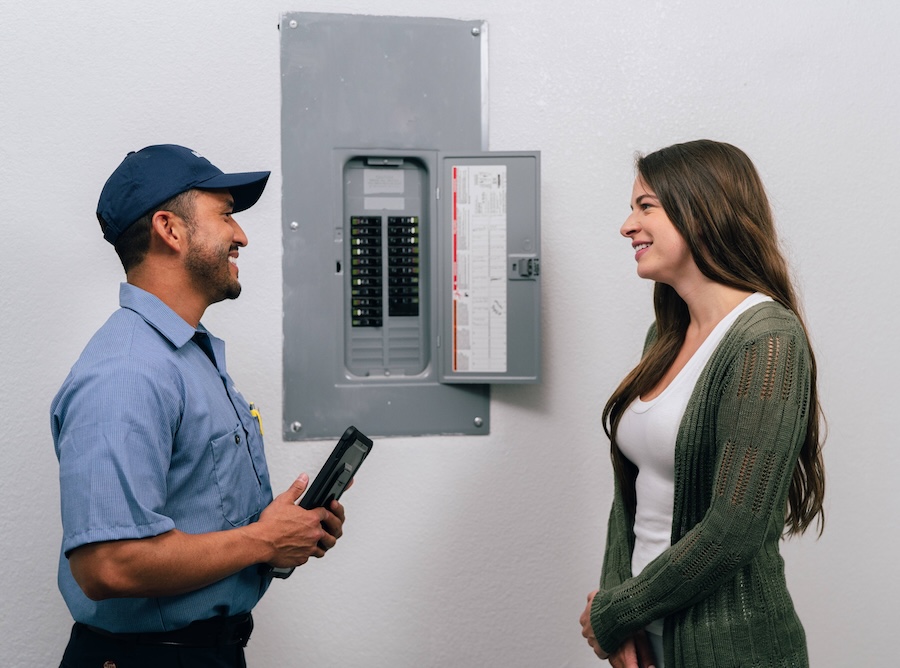
Your electrical panel is the control center for every circuit in your home, and most people open it only when a breaker trips. That's not enough. Panels develop problems that won't trip a breaker at all, like damaged bus bars, loose breaker connections, improper wire gauge for a given breaker, and moisture intrusion that degrades components from the inside.
Certain older panel brands have well-documented failure histories.
Federal Pacific Electric Stab-Lok panels and Zinsco panels were installed in millions of homes from the 1950s through the 1980s. They have documented breaker failure rates that prevent them from tripping during an overload. An electrician can identify these panels and explain your replacement options.
A professional electrical service call that includes a panel inspection will check for double-tapped breakers, aluminum branch circuit wiring connected without proper terminals, and signs that the panel has been modified incorrectly. These assessments require someone trained to read a panel's condition accurately and interpret what they find.
How Often Should a Licensed Electrician Inspect Your Home
The general industry recommendation is a full electrical inspection every three to five years for most homes. Certain situations move the timeline up, including purchasing a home over 25 years old, completing a renovation that added circuits or appliances, noticing repeated breaker trips, or planning to install an EV charger or other high-draw equipment.
Older homes with original wiring need more frequent attention. Homes built before 1980 may still have aluminum branch circuit wiring, knob-and-tube wiring, or cloth-insulated conductors that degrade with heat and age. None of those materials meets current electrical codes, and all of them have an elevated fire risk compared to modern copper wiring with thermoplastic insulation.
Scheduling an electrical inspection helps to confirm that your home's electrical system can handle its current demands safely. Loads increase as households add appliances, charge devices, and upgrade home systems. An inspection verifies that the infrastructure is keeping pace with demand.
What Happens During a Professional Electrical Safety Inspection
A thorough electrical inspection covers the panel, all accessible wiring, outlets, switches, fixtures, and visible components in attics, basements, and crawl spaces. The electrician checks wire gauge against breaker ratings, tests GFCI and AFCI protection in required locations, verifies grounding throughout the home, and looks for signs of heat damage, moisture, or amateur repairs.
You'll receive a detailed report of what was found, prioritized by severity. Some findings need attention immediately. Others are code updates that reduce risk without being an active emergency. A reputable electrical service provider will explain each finding clearly and give you specific repair options with accurate cost estimates.
The inspection is non-invasive. Electricians don't open walls unless there's a specific reason to investigate further. Most inspections take two to four hours, depending on home size and system complexity. What you get at the end is a documented picture of your home's electrical health and a clear plan for taking care of anything that needs attention.
Schedule Your Inspection with Mr. Electric of Littleton
Electrical fires are preventable, but prevention requires accurate information about your home's current condition. Waiting until something fails means paying for emergency electrical repair instead of a routine inspection, and it means taking serious safety risks. Mr. Electric serves homeowners across the Littleton, CO area with professional electrical inspections, panel evaluations, and electrical repair services backed by licensed electricians. If your home hasn't had a professional electrical inspection in the last few years, give us a call today to schedule yours.