Power surges are a hazard that most homeowners underestimate until they've already done damage. They can happen in an instant, fry expensive electronics, and shorten the lifespan of appliances without leaving an obvious trace of what caused the problem. Surge protection installation is one of the simplest and most cost-effective ways to protect your home. Mr. Electric helps homeowners understand their options. Read more to learn how surge protectors work, what they protect against, and why the right setup is so important.
What a Power Surge Is and Where It Comes From
A power surge is a brief spike in voltage that exceeds the normal flow your home's wiring is designed to handle. In the United States, standard household voltage runs at 120 volts. When that number jumps suddenly, even for a fraction of a second, sensitive electronics absorb the impact. The spike may last mere milliseconds, but the damage it causes can be permanent.
Surges originate from multiple sources, both inside and outside your home. External causes include lightning strikes, utility grid switching, downed power lines, and fluctuations from your electricity provider's equipment. Internal causes are more common. Large appliances like air conditioners, refrigerators, and washing machines draw a large current when their motors kick on. The sudden demand creates a ripple in your home's voltage that travels through the wiring and reaches every outlet on the circuit.
The tricky part is that most surge damage is cumulative. A single large spike might kill a device outright, but smaller surges degrade electronics by wearing down internal components until the device fails before its expected lifespan. Homeowners rarely connect the failure to the cause because nothing dramatic happened. The device just stopped working one day.
The Kinds of Damage Surges Can Do to Your Home and Devices
The financial exposure from unprotected electronics adds up fast. A single surge can destroy a television, a desktop computer, a smart home hub, or a refrigerator with a digital control board. Replacing those items individually can run anywhere from a few hundred to several thousand dollars, and that's before factoring in any labor costs if the damage extends to hardwired systems.
Surges can also damage the systems built into your home's infrastructure. HVAC units, smart thermostats, whole-home audio systems, and EV chargers all contain circuit boards vulnerable to voltage spikes. An electrical repair in Castle Pines, CO on a damaged HVAC control board costs more than the surge protector that could have prevented the problem. The same applies to modern kitchen appliances, garage door openers, and security systems, all of which rely on electronics that weren't part of home design twenty years ago.
Home insurance may cover some surge-related losses, but policies vary widely, deductibles apply, and filing a claim takes time and documentation. Some policies exclude surge damage unless you carry a specific rider. The more practical solution is preventing the damage before it happens rather than negotiating reimbursement after the fact.
Whole-Home Surge Protection Versus Point-of-Use Devices
Point-of-use surge protectors are the power strips with built-in protection that plug into a wall outlet. They guard the specific devices connected to them and serve as a reasonable first layer of defense for workstations, entertainment centers, and home offices. A quality point-of-use unit carries a UL listing and specifies its joule rating, which measures how much energy it can absorb before it stops protecting. Once a unit exhausts its joule capacity, it's just a plain power strip with no protection remaining.
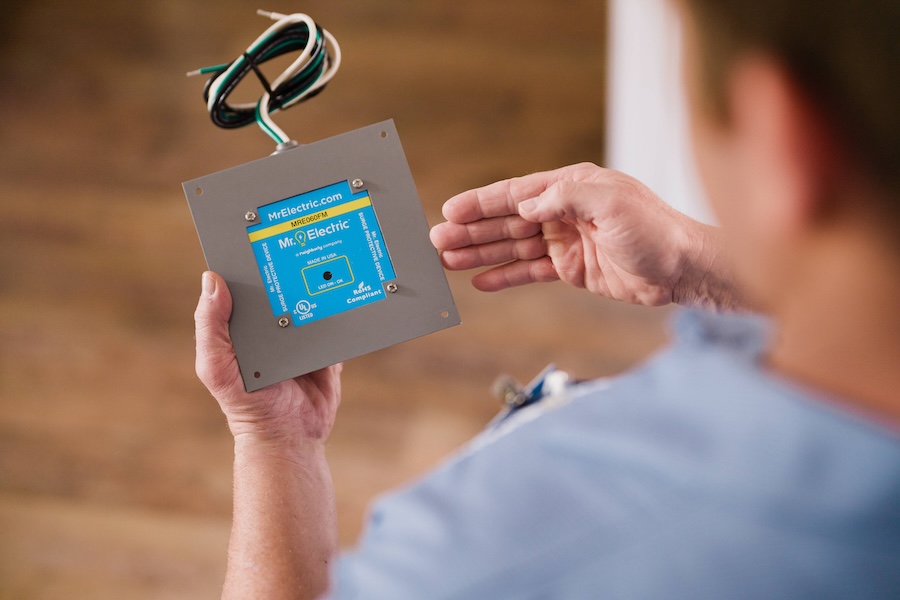
Whole-home surge protection works at a different level. Electricians in Cherry Creek, CO install a surge protective device directly at your electrical panel, where it intercepts voltage spikes before they travel through your home's wiring. This protects everything connected to your system, including hardwired appliances, HVAC equipment, lighting circuits, and devices. It takes care of the problem at the source.
Which Appliances and Systems in Your Home Are Most Vulnerable
Not every device in your home carries the same risk. Anything with a microprocessor or a digital control board is sensitive to voltage fluctuations. That list covers more ground than most homeowners picture when they think about surge damage. The highest-risk items include:
- HVAC Systems: Modern units use variable-speed motors and digital thermostats that are expensive to repair and sensitive to irregular voltage.
- Refrigerators and Dishwashers: Appliances can lose their electronic control boards in a single surge event.
- Home Office Equipment: Computers, monitors, and networking hardware hold sensitive data and cost thousands to replace.
- Entertainment Systems: Smart TVs, gaming consoles, and streaming devices are always on standby, which means they're always exposed.
- Smart Home Devices: Hubs, smart speakers, and connected lighting systems rely on constant low-voltage power and degrade quickly under irregular current.
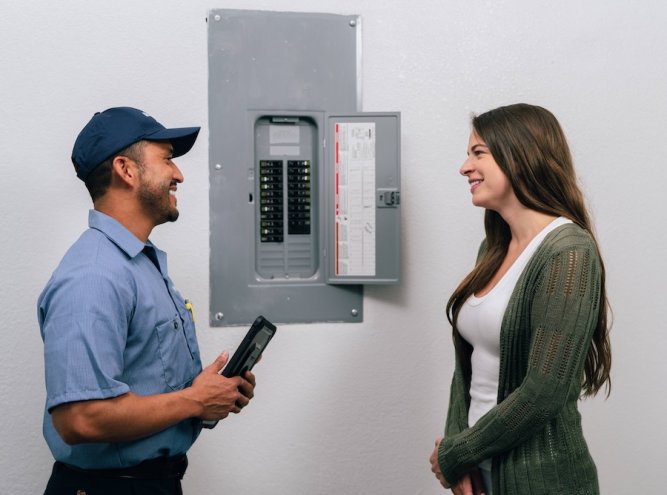
Hardwired systems deserve special attention because a power strip can't protect them. An electrician assessing your home for surge protection will identify which circuits carry the most vulnerable equipment and recommend panel-level protection accordingly.
Why Professional Surge Protection Installation Offers the Best Defense
A surge protector you buy off a shelf and plug into the wall takes ten seconds to install. A whole-home surge protection system requires a licensed professional. Electricians mount the surge protective device at the main panel, make direct connections to the electrical system, and verify the installation meets local code requirements. That work involves live electrical components and comes with serious consequences if it's done incorrectly.
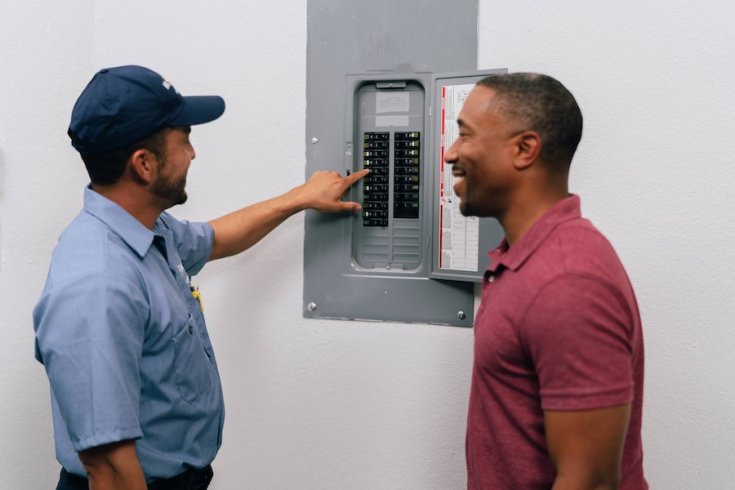
The quality of the installation also affects how well the device performs. A poorly connected surge protective device may not clamp voltage fast enough to prevent damage, or it may not be rated correctly. Electricians check your panel capacity and your household's specific load before recommending equipment.
Professional surge protection installation also produces documentation. If you file an insurance claim or sell your home, a record of a code-compliant, professionally installed system matters to adjusters and buyers alike. It demonstrates that the protection in place meets a verifiable standard.
Is It Time to Schedule Your Next Electrical Service?
If you're ready to protect your home, Mr. Electric can help. Our electricians evaluate your current electrical service, recommend the right surge protection installation for your setup, and handle every aspect of the work to code. We specialize in electrical repair and installation, and we've built our reputation on showing up, doing the job right, and standing behind our work. Contact your local Mr. Electric today to schedule an appointment and get the protection your home needs.