Electrical circuit upgrades are home improvement projects that go smoothly when the groundwork has been laid and sideways when it hasn't. At Mr. Electric, we know that a little preparation on the homeowner's side makes a major difference in how the job goes. Here's what to do before the work starts so the process stays on track.
How to Decide If Your Current Panel Can Handle an Upgrade
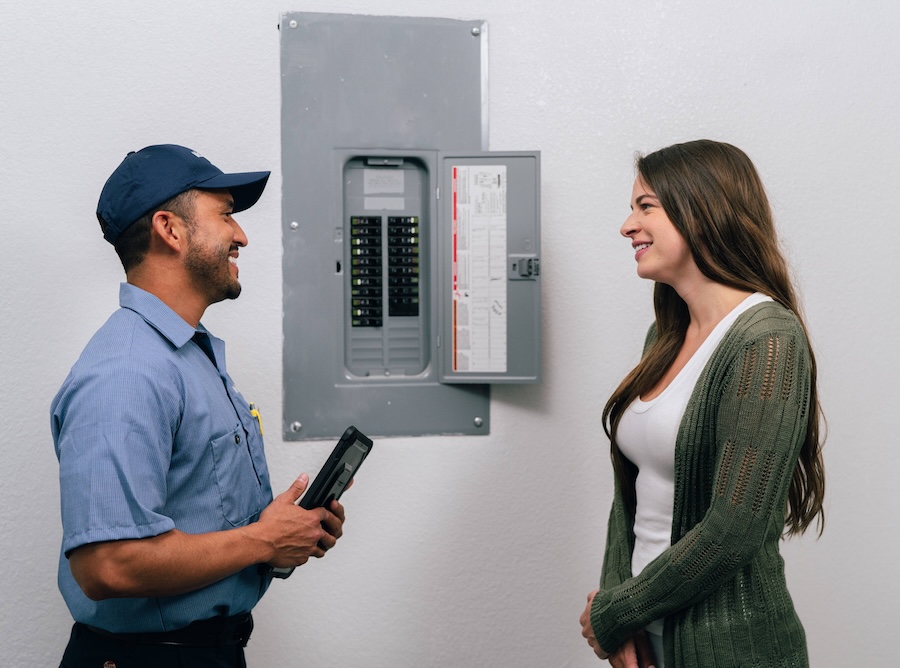
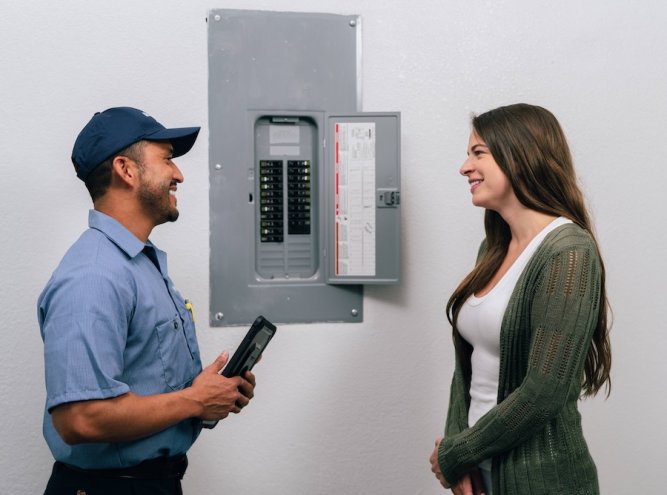
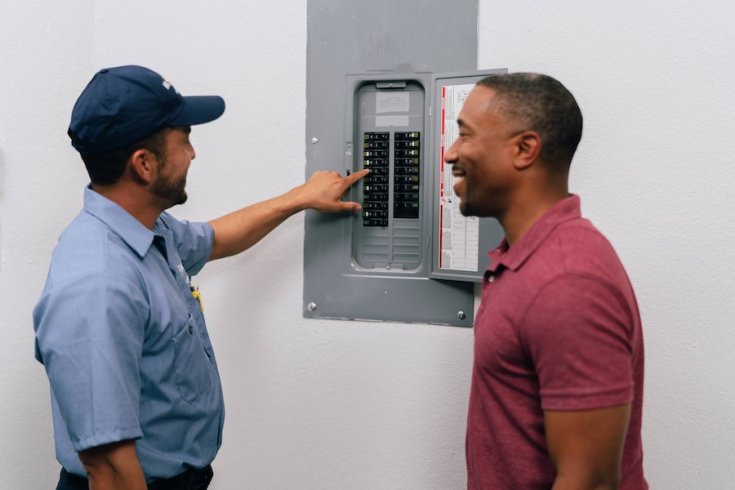
Start at the electrical panel. Open it up and look at the amperage rating, which is printed on the main breaker. Most older homes run on 100-amp service. Newer construction and homes with heavy appliance loads usually need 200-amp service or more. If your panel is rated below what your upgrade requires, the panel will need to be replaced.
Check for warning signs before the electricians get there. A panel that runs too hot to the touch, has breakers that trip without explanation, or shows scorch marks around any breaker slot is a sign of trouble. Take pictures and have them available during your electrical service appointment.
Look at how many open slots your panel has. If every slot is occupied, your electrician will need to either install a subpanel or replace the main panel. Knowing this in advance helps you budget accurately and prevents surprises on the day of the job.
How to Know Which Circuits Are Overloaded in Your Home
An overloaded circuit trips the breaker because it's pulling more amperage than the wiring can handle. The most common areas with problems are kitchens with multiple high-draw appliances, older bedrooms that weren't designed for today's electronics, and garages with a lot of workshop tools. Walk through your home and note where you reset breakers most often.
Make a list of every room with flickering lights, warm outlet covers, or tripping breakers in the past six months. The list is more useful to your electrician than a verbal summary. Specific locations and patterns help them prioritize which circuits need the most attention and which are candidates for the upgrade.
What Permits Are Required for Circuit Upgrade Work?
Most municipalities require a permit for any work that involves adding circuits, replacing a panel, or upgrading service from the utility. The permit process exists so that an inspector can verify that the work meets local code, not just manufacturer recommendations. Skipping this step can create problems when you sell the home or file a homeowner's insurance claim after an electrical emergency.
Your electrician will normally pull the permit as part of the electrical service agreement. Ask if the permit is included or handled separately, and confirm that the inspection is scheduled before the walls are closed up. If a contractor suggests skipping this part to save time or money, that's a red flag.
Requirements vary by city and county, so don't assume what applies to a friend's project applies to yours. Some jurisdictions require permits for adding a single 20-amp circuit, but others set the threshold higher. The only way to know for certain is to ask your electrician or contact your local building department.
How to Talk About Your Power Needs With Your Electrician
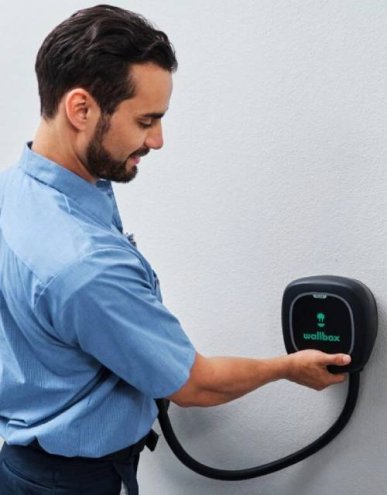
Before your appointment, write down all of the major appliances in your home and explain if they're hardwired or plug-in. Include your HVAC system, water heater, electric range or oven, dryer, EV charger if you have one, and any large shop or garage equipment. This list gives electricians a working picture of your load.
Think about what you're planning to add in the next three to five years. If you're considering an EV charger, a hot tub, or a home addition, say so. Designing the upgrade around your current needs only to redo the work in two years costs more than planning ahead now. A good electrical repair or upgrade anticipates future demand.
Be specific about locations. "I need more power in the kitchen" is less useful than "I want a dedicated 20-amp circuit on the east wall for a countertop oven and a separate circuit for the refrigerator." The more precise you are, the more accurate your estimate will be, and the less back-and-forth happens during the job.
What to Expect During the Upgrade
On the day of the upgrade, your electrician will shut off power to the affected circuits or to the whole panel, depending on the scope of the job. Plan for this. Charge your devices the night before, move any time-sensitive work off your schedule, and let other household members know the power will be intermittent. A standard circuit breaker installation on a single circuit takes one to three hours. A full panel replacement can take an entire day.
Clear the area around your electrical panel before the crew arrives. Remove stored items, boxes, or anything stacked against the wall. Electricians need at least three feet of clear working space in front of the panel, and they need it unobstructed. A cluttered panel area slows down every part of the job.
Your electrician will likely open walls or ceiling sections to run new wire if the upgrade involves adding circuits to areas that don't currently have them. Ask in advance if patching drywall is included in the scope of work or whether that's a separate contractor's job. Knowing this before the job starts prevents a frustrating conversation after the fact.
Do You Need a Circuit Breaker Installation or Upgrade?
Preparing your home before electrical work is the single most effective way to keep the project on time and on budget. The more your electrician knows walking in, the less time they have to spend figuring it out on the clock. Our electricians can provide everything from initial assessment through final inspection, including permit coordination and electrical repair if existing wiring issues come up during your upgrade. Contact Mr. Electric today to schedule a service call.