Turning your home into a connected, automated space has never been more accessible, and that's exactly what makes it tempting to try to figure it out yourself. Smart home automation has a low enough entry point that plenty of homeowners decide to dive in, and sometimes it works out fine. But sometimes it doesn't. At Mr. Electric, we've walked into more than a few homes where a DIY setup created bigger problems than it solved. Keep reading to get the full picture before you start pulling wire or programming automations on your own.
What DIY Smart Home Automation Can Realistically Handle
Let's give credit where it's due. There's a category of smart home work that genuinely suits a capable DIYer. Plug-in devices, battery-powered sensors, and app-controlled bulbs require zero wiring and carry minimal risk. These installs are designed for consumer self-service, and the manufacturers know it.
Voice assistant setup, smart speaker placement, or basic automation routines inside a single ecosystem can fall into DIY territory for someone who is experienced and tech-savvy. The risk is lower because these tasks don't touch your home's electrical system. If something goes wrong, you can unplug it, return it, or reset it. However, many people find that even these simpler projects can become incredibly frustrating and may prefer to have a professional service to save time and money.
The Upfront Cost Savings and Where They Show Up
When you choose the DIY path, you do avoid paying labor costs for tasks that don't require licensed electricians, like device configuration, app setup, and network integration. Depending on your market, that can mean skipping a service call for work you can do yourself in an afternoon.
Smart bulbs, plugs, and sensors carry low price points and zero installation cost when you do it yourself. A basic smart home starter kit with a hub, a few bulbs, or a smart plug or two can run under $150 and offer some level of convenience without any professional involvement. For renters or homeowners on a tight budget, this is where DIY makes the most financial sense.
The savings shrink fast, though, when something goes wrong. A miswired smart switch can damage the switch, the fixture, and potentially the wiring in your wall. Replacing all three costs more than the original electrical service call would have. The upfront savings are only there if the installation goes right the first time.
Where Most DIY Installations Start to Break Down
The problems usually cluster around hardwired devices, older homes, and multi-device integrations. Hardwired smart switches and dimmers require you to work inside your electrical box, match wire configurations, and sometimes add a neutral wire that your existing setup doesn't have.
Older homes complicate everything. Wiring that predates modern standards, aluminum wiring, or two-wire systems without a ground create obstacles for smart device installation. A smart dimmer that works perfectly in a 2015 build will behave unpredictably or dangerously in a 1965 home with ungrounded outlets. Electricians can identify these issues at a glance. Homeowners without electrical training normally miss them.
Multi-platform integrations can break down, too. You automate your locks through one app, your lights through another, and your thermostat through a third. Then you try to get them to talk to each other and spend two weekends troubleshooting why your routine doesn't trigger correctly. This might not be a safety issue, but it does cause you to lose hours of time on a system that doesn't work the way you planned.
Electrical Safety Risks That Come With Cutting Out a Professional
This is where the stakes change. Smart home automation stops being a convenience project the moment you're working with your home's wiring. Incorrect connections inside a smart switch box can cause arcing, which generates heat inside your wall and creates a fire hazard. The Consumer Product Safety Commission tracks hundreds of house fires annually that are attributed to electrical wiring errors, many of which start inside wall boxes.
Incorrect wiring also creates shock hazards during and after installation. A hot wire that isn't properly capped or connected can remain energized even when you think the circuit is off. Electricians use specific testing procedures to confirm a circuit is de-energized before touching anything. Without those procedures, the risk of contact with live wiring is serious.
Insurance is another concern. Homeowner's insurance policies include language about electrical work performed without permits or by unlicensed individuals. If a damage claim is investigated and traced back to an unpermitted electrical repair, the insurer can deny the claim.
How to Decide Which Parts of Your Setup to DIY and Which to Hand Off
Use this as your decision filter. If the device plugs in or runs on batteries, you can probably handle it. If it requires opening a wall box, connecting to your home's wiring, or modifying your electrical panel, call a professional. Here's how you can split the work:
- DIY-Appropriate: Smart bulbs, smart plugs, plug-in sensors, battery-operated locks, smart speakers, app configuration, and automation routines within a single platform.
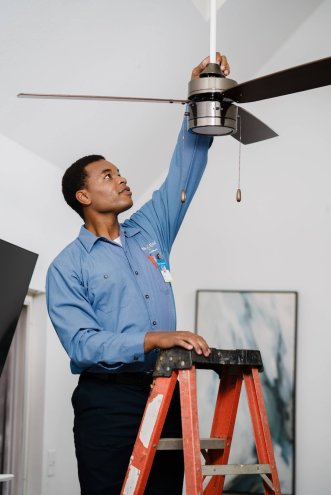
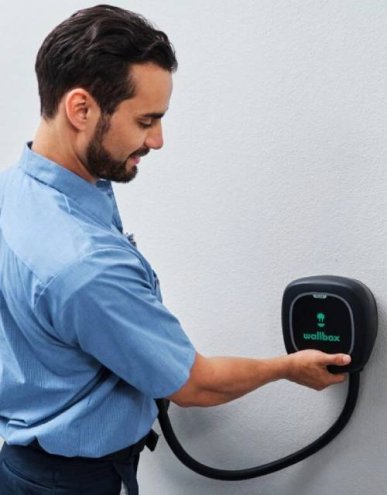
- Hand Off to Electricians: Hardwired smart switches and dimmers, in-wall outlets with USB charging, smart ceiling fans, hardwired security systems, EV charger installation, and any work that requires touching your breaker panel.
If you're unsure whether your home's wiring is compatible with a specific device, schedule a consultation before you buy anything. A quick assessment from an electrician costs way less than diagnosing a failed installation or repairing damage from a wiring error. Smart home automation works best when the infrastructure behind it is solid.
Is It Time for Your Next Smart Home Upgrade or Electrical Repair?
If you’re ready to build a smarter home the right way, contact Mr. Electric to schedule an electrical service consultation. Our electricians can handle the wiring, safety checks, and technical installs, so your smart home automation works from day one. We have the experience and tools to complete the job correctly the first time, so you can protect your home and your investment.