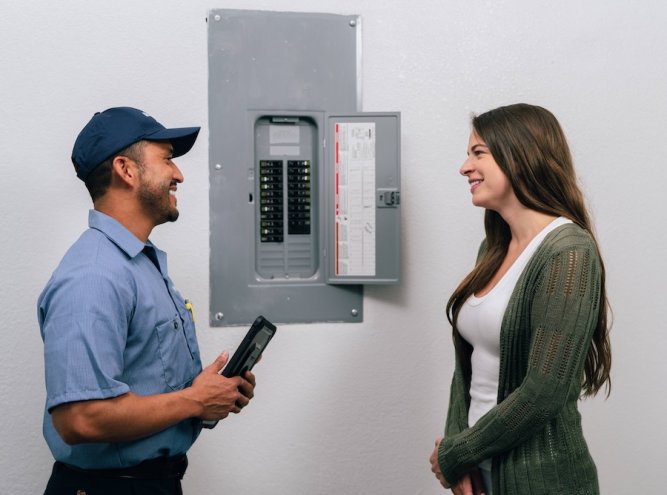
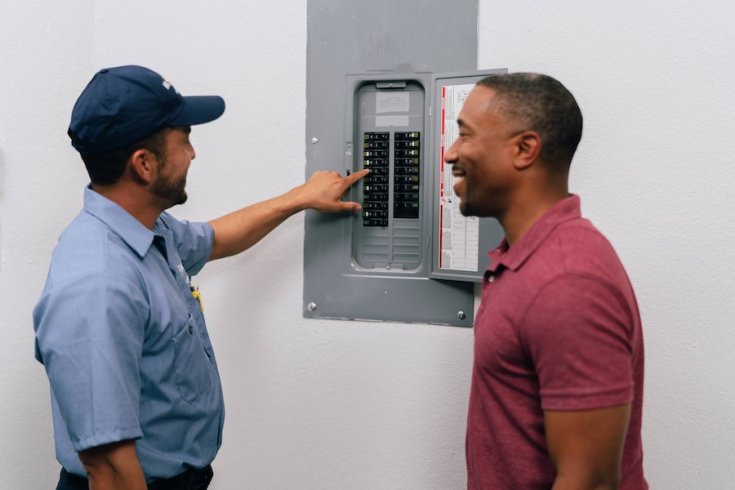
Your new EV is sitting in the driveway, and now you're staring at your garage wall, wondering if your home can handle what comes next. Most homeowners assume plugging in a car works the same as plugging in a lamp. It doesn't. At Mr. Electric, we've walked through many garages with excited new EV owners, and the questions are almost always the same. This post breaks down what your home needs before a charger gets installed, so you're not caught off guard by surprises once the work begins.
The Difference Between Level 1 and Level 2 EV Chargers
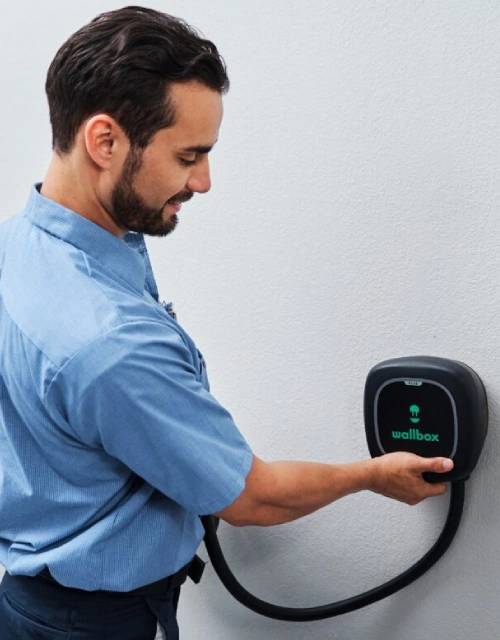
Not all EV chargers are built the same, and the difference between Level 1 and Level 2 isn't just about speed. Level 1 chargers plug into a standard 120-volt outlet and add roughly 3 to 5 miles of range per hour. For most drivers, that's 20 to 40 hours of charging for a full battery. Level 2 chargers run on 240 volts and deliver 20 to 30 miles of range per hour, which cuts a full charge down to 4 to 8 hours.
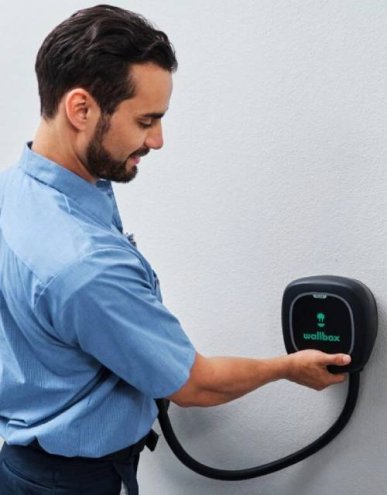
Most EV owners make the switch to Level 2 within the first few months of ownership. The convenience gap is too large to ignore. A Level 2 charger requires dedicated electrical wiring, a 240-volt circuit, and a proper installation.
The hardware isn't complicated, but what sits behind the wall is critical. Before a charger goes in, an electrician needs to evaluate your panel capacity, your existing circuits, and the distance from your panel to the planned charger location.
Why Your Electrical Panel Is So Important
Your electrical panel is the gatekeeper for every circuit in your home. A Level 2 EV charger draws 40 to 50 amps, which is a substantial portion of what most residential panels can supply. Homes built before the 1990s were typically designed for 100-amp service. Modern homes run on 150 to 200 amps, which gives more room to work with.
If your panel is already running close to capacity, adding an EV charger can trip breakers or cause other circuits to underperform. The fix does require a licensed electrician to inspect what you have and determine whether a panel upgrade is necessary before the charger installation proceeds. Skipping this step puts your vehicle and your electrical system at risk.
Electrical service capacity dictates what your home can handle. An electrician will calculate your existing load, factor in the charger draw, and tell you whether your panel can support it.
Dedicated Circuits for EV Charger Installations
EV chargers require a dedicated circuit because they draw sustained, high amperage for hours at a time. Sharing a circuit with other appliances creates an overload risk and will trigger breaker trips during charging sessions.
For a Level 2 charger, electricians install a 240-volt dedicated circuit with the appropriate wire gauge to match the amperage. A 40-amp charger requires 8-gauge wire. A 50-amp circuit uses 6-gauge. Using undersized wire on a high-draw circuit creates a fire risk, which is why electrical repair work on EV installations needs to be done to code.
The length of the circuit run also affects wire sizing. A longer run from panel to charger may require stepping up to a heavier gauge wire to prevent voltage drop. Your electrician will measure the distance, calculate the load, and select the correct materials.
Permit Requirements for EV Charger Installation in Your Area
Most jurisdictions require a permit for EV charger installation. That means it triggers an inspection to confirm that the electrical wiring meets local code. Without a permit, you may face complications when you sell the home or file a claim with your insurance company after an electrical issue. The permit process varies by location, but generally includes:
- Submitting an application with the scope of work
- A licensed electrician in Greenwood Village pulling the permit on your behalf
- An inspection once the work is complete
- Final sign-off from the local authority
Electrical service work performed without a permit puts the homeowner in a difficult position. If an inspector flags unpermitted work during a home sale, you'll pay to remediate it under time pressure. Pulling the permit correctly from the start avoids that outcome. Reputable electricians handle the permit process as part of the installation.
How to Choose the Right Electrician for the Job
EV charger installation is serious electrical service work, not a DIY project. The combination of high amperage, sustained load cycles, and code requirements puts it firmly in licensed contractor territory. Hiring the right electrician protects both the installation and your home. Look for these qualifications before you hire:
- A valid electrical license
- Experience with residential EV charger installations
- Willingness to pull permits and schedule inspections
- Clear written estimates with material and labor costs
Electricians who specialize in residential work understand panel capacity, load calculations, and local code requirements. A general handyman who "does some electrical work" isn't the right fit for a 240-volt dedicated circuit installation. The consequences of improper electrical repair aren't worth the cost savings.
Are You Ready to Add an EV Charger to Your Home?
Getting an EV charger installed correctly starts with a professional assessment of your panel, your circuits, and your home's electrical service capacity. Mr. Electric's licensed electricians are ready to handle every step, from the initial load calculation to permit filing to final inspection. We don't cut corners on the work that keeps your home and your car running safely. Contact us today to schedule your EV charger consultation.