Power outages that stretch past a few hours expose every weak point in a home, from spoiled food to failed medical equipment to security systems going dark. Whole house generators keep essential systems running regardless of what's happening on the grid. Mr. Electric installs and services these systems, and this breakdown covers how they work, what they protect, and what to consider before choosing one for your home.
How Whole House Generators Differ From Portable Units
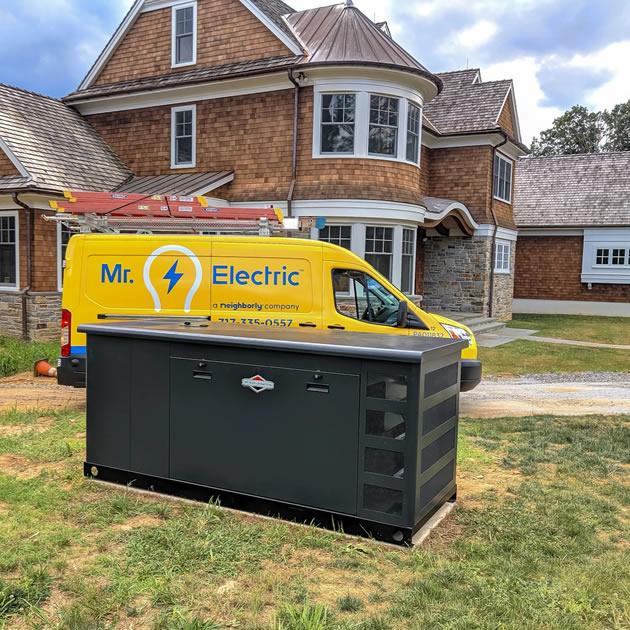
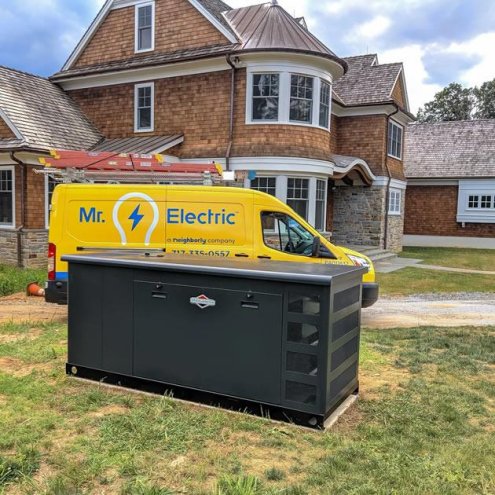
Portable generators run a few appliances through extension cords and require manual setup every time the power goes out. Whole house generators are permanently installed outside the home, wired directly into the electrical panel, and start automatically within seconds of detecting an outage. There's no dragging equipment out of the garage, no running cords through windows, and no decision-making about which devices to prioritize.
The capacity difference is substantial. A portable unit typically handles 3,000 to 7,500 watts, which covers a window unit, a refrigerator, and maybe a few lights. Whole house generators start around 10,000 watts and scale up to 20,000 watts or more. That’s enough to run central air, heating, a well pump, and every major appliance simultaneously. That range also means there's a correctly sized unit for most homes.
The other distinction is safety. Running a portable generator indoors or in an attached garage produces carbon monoxide, which can turn fatal quickly and without warning. Whole house systems are installed outdoors by licensed electricians according to local code, with proper clearances built into the placement from day one. Compliance also matters for homeowner's insurance purposes. Some insurers require permitted, code-compliant installations before they'll cover generator-related claims.
Which Home Systems Stay Powered During an Outage
A correctly sized whole house generator keeps every circuit in your home live. That means the systems most critical during an emergency stay operational without any manual intervention:
- Central heating and air conditioning
- Refrigerators and freezers
- Medical equipment, including oxygen concentrators, CPAP machines, and home dialysis units
- Sump pumps and well pumps
- Security systems, cameras, and smart locks
- Lighting throughout the entire home
- Phone chargers, internet routers, and computers
For households with someone on home medical equipment, a multi-day outage without power can create an emergency. For families with basements in flood-prone areas, a sump pump that goes offline during a storm can mean severe water damage within hours.
Food preservation is a consistent financial concern, too. The USDA estimates that a typical household loses $200 to $400 in food during an extended outage. Multiply that across several outages per year in storm-prone regions, and the cost adds up quickly against the one-time investment in a permanent system. Keeping the freezer running also protects months of meal prep and bulk purchases that can't be easily replaced.
How Automatic Transfer Switches Keep the Transition Seamless
The automatic transfer switch is the component that makes a whole house generator worth having. It monitors the utility feed continuously and responds within 10 to 30 seconds of detecting a power loss. The generator starts, the transfer switch disconnects the home from the grid, and power flows through the panel. When utility power returns, the switch transfers the load back and shuts the generator down.
This matters for two reasons. First, it protects the generator and utility workers. Without a transfer switch, a generator connected to household wiring can backfeed electricity onto the grid, which creates a lethal hazard for line crews working to restore power. Second, it eliminates the gap where residents would otherwise need to manually start equipment and connect loads.
Transfer switch installation is not a DIY project. A licensed electrician has to work inside the main panel, coordinate with local permitting, and verify that the installation meets code. Some municipalities also require a separate inspection specifically for the transfer switch before the system can be energized. Skipping that step creates a safety risk and a liability problem if the system causes damage or injury. Proper installation also ensures the transfer switch is matched correctly to the panel's amperage rating, which prevents overload failures during extended use.
What to Expect During Professional Installation
A generator installation can involve multiple trades and typically takes one to two days for a standard residential system. The general sequence looks like this:
- A licensed electrician in Englewood, CA determines the electrical panel and calculates the home's power load.
- A concrete pad or gravel base is prepared to meet manufacturer and code requirements.
- The generator unit is positioned and connected to the fuel supply by a licensed plumber or gas technician.
- The automatic transfer switch is wired into the main panel.
- The system is tested under load and inspected by the local authority.
Permitting is required in most areas. A reputable electrical service provider pulls the permit, schedules the inspection, and provides documentation of the completed work. Homeowners should ask for that paperwork and keep it with their home records. A permitted installation also adds documented value to the property, which matters at resale.
After installation, the generator runs a weekly self-test cycle automatically. This keeps the engine lubricated, charges the battery, and confirms the system will respond when needed. Annual maintenance by a qualified electrician covers oil changes, spark plugs, air filters, and a full load test to catch any developing issues before a real outage occurs. Skipping an annual service is one of the most common reasons generators fail to start when they're needed most. Scheduling an electrical repair visit before storm season rather than after puts the system in the best position to perform when conditions deteriorate.
Are You Ready to Install a Whole House Generator?
A whole house generator removes the uncertainty from power outages. It protects food, equipment, safety systems, and the people in your home without requiring anything from you when the grid goes down. Between spoiled food, water damage, compromised medical care, and hotel stays during extended outages, the expense of being unprepared adds up fast. Mr. Electric provides professional generator installation, ongoing electrical service, and electrical repair for residential customers. Our qualified electricians are trained to handle the full scope of the project from permit to final inspection. Contact us to schedule an appointment and find out which system fits your family's needs.